
Iditarod Trail Invitational: More Than a Race.
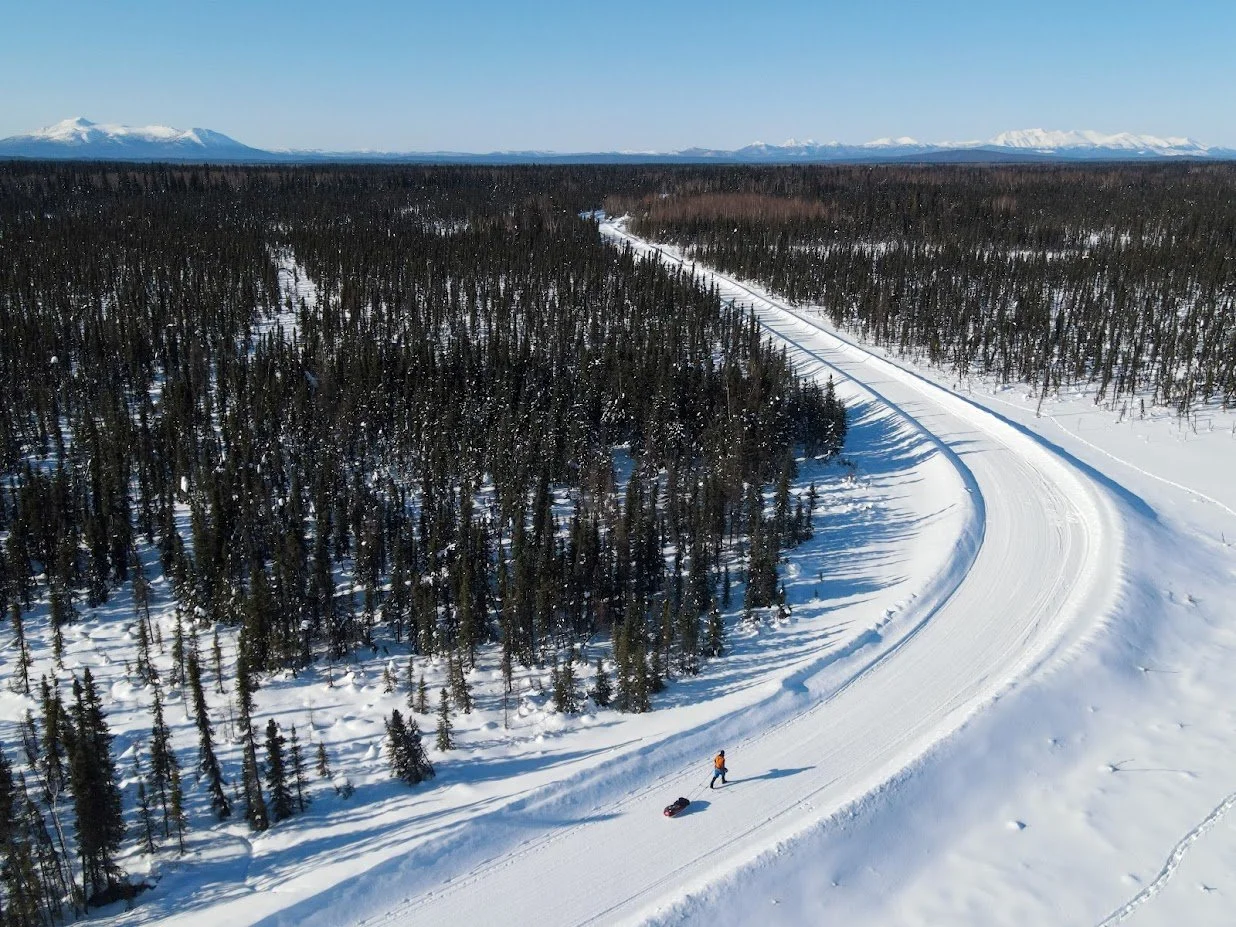
Did you know that the Iditarod Trail Invitational has been a non-profit since 2020? The last few years have provided intentional support throughout Alaska, specifically, but not limited to, the area where the athletes travel. It is also not limited to the one month during which the race takes place, but extends throughout the year. Ask anyone who knows this race, and the remoteness will be the first thing they mention — a defining quality that brings both formidable challenges and strong ties to the communities it passes through. Below is the impact ITI has had so far this year.
A heartfelt thank you to everyone who contributed to the Intrepid Path fundraiser — your generosity is reflected in the contributions listed below.
ITI 2026 Community Impact Summary
The 2026 Iditarod Trail Invitational once again proved that the event is more than a race—it is a direct connection between a global community of athletes and the remote Alaskan villages that make the trail possible.
Direct Financial Impact
Through the Intrepid Path, the ITI community raised over $34,000 this year via grassroots donations tied directly to the race. (https://www.givengain.com/campaign/iditarod-trail-invitational).
Unlike traditional fundraising models, these contributions are:
Community-directed — needs are identified by local leaders, schools, and residents
Rapidly deployed — funds are put to use immediately, not held in reserve
Transparent and tangible — donors can see exactly where support is going
To date, $17,500 has already been deployed, including:
Critical infrastructure repairs to keep community buildings operational in extreme conditions
Clothing and cold-weather gear for children
Educational materials for rural schools with limited resources
Targeted support for recovery efforts following the 2025 typhoon
This isn’t abstract charity—it’s practical support that keeps communities functioning.
Economic Contribution
Beyond donations, the race generated an estimated $350,000+ in direct economic impact across rural Alaska.
Athletes and race operations contributed through:
Lodging, meals, and checkpoint stays
Fuel, freight, and aviation support
Locally sourced supplies and services
In communities where winter economic activity is limited, this level of spending matters. It supports small businesses, keeps resources moving, and reinforces the viability of these remote hubs.
Community & Volunteer Effort
The ITI is built on people, not infrastructure.
117 athletes took part in this year’s event
Over 125 volunteers supported operations across the trail
Checkpoint staff, trail breakers, pilots, and local residents made the race possible
Athletes were consistently welcomed into communities with generosity, trust, and support
That relationship is not incidental—it is the foundation of the event. Without it, the ITI does not exist.
What This Actually Means
The ITI operates in some of the most remote and demanding environments in the world. The communities along the trail are not just hosts—they are active partners.
The model is simple and deliberate:
Athletes take on the challenge
Communities make the journey possible
The ITI network gives back in direct, measurable ways
And importantly, the impact doesn’t end at the finish line.
Through the Intrepid Path Association, funding continues to be deployed year-round—supporting projects that are defined by the communities themselves, not imposed from the outside.
Links
Intrepidpath.org
https://www.givengain.com/campaign/iditarod-trail-invitational
Written in part by Kari Gibbons with the help of Wild Winter Women:, Amanda Harvey, Faye Norby, Jan Redmond Walker, Jessica Roschlan, Laura Wiesmann Hrubes, Allison Carolan, Leah Gruhn, Lynn K Hall, Madeline Harms, Rashelle Hintz, Rebecca McVay-Brodersen, and Sarah Bergstrom
Information provided by Kyle Durand
Photo credit: Mark Smith